Get trained in Labor history from your couch 

And make yourself the strongest political candiate possible

‶As students of Labor history, members of the cabinet back then remembered and knew what had happened to the Scullin Government, which also had the misfortune of coming to power at the start of a recession. But the Scullin government lacked the necessary policy tools to deal with the crisis. We did not.″

Wayne Swan

  • Pat (Queensland)

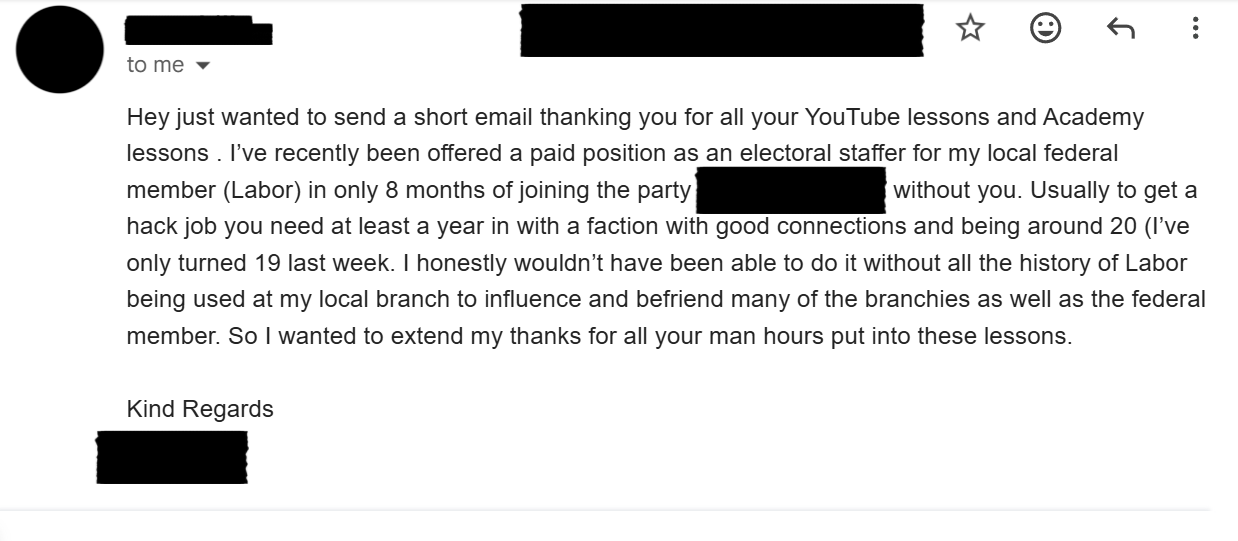
    Mr M History has been instrumental in both my career and tertiary studies!

    The added knowledge I’ve gained from his podcast, channel and patreon have helped me secure a high-level job within state Parliament, and his Barcaldine Academy has made starting a lot less stressful.


  • George (NSW)

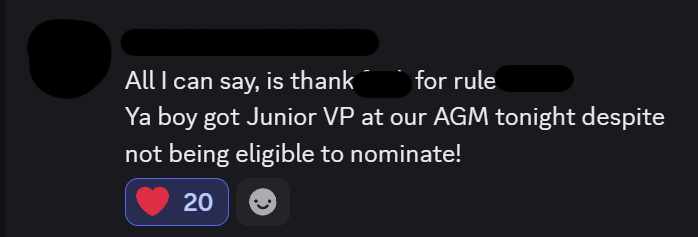
    The Academy didn’t just deliver facts, it delivered orientation. It dramatically shortened a learning curve that typically takes years and gave me a sense of belonging and purpose within the broader Labor story.

  • Micheal (WA)

    WA Modules are bloody good, I think you should consider coming over here as a lecturer so you can compete with Barnett

  • Jasper

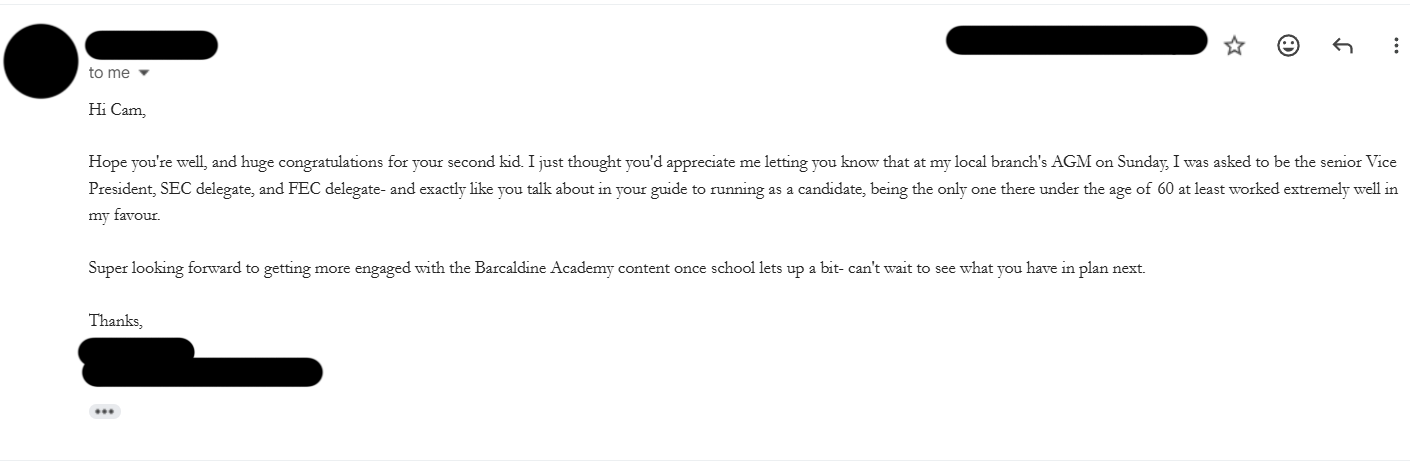
    As someone who is seriously considering a political career, it's incredibly important to understand our history, as it allows us to reflect on our actions and plan our future ones accordingly.

Does knowing party history actually help?

What will you be able to do?

This comes to us from Jordan who completed the NSW modules and submitted his rankings of its Labor leaders.

1) James McGowen

2) Joe Cahill

3) William McKell

4) Bob Carr

5) Pat Hills

6) Neville Wran

7) Bob Heffron

8) Barrie Unsworth

9) James McGirr

10) James Storey

11) Jack Renshaw

12) Kristina Keneally

13) Nathan Rees

14) Morris Iemma

15) James Dooley

16) Ernest Durack

17) William Holman

18) Jack Lang

19) Joseph Cook

James McGowen

- As a supporter of the introduction of the pledge, a large amount of respect needs to be given to this man in NSW and Labor as a whole. This core tenet is important as it is a safeguard against fracturing in the party. While early on it was costly to bring in, and those early decades saw turmoil arise (conscription, tariffs); having this mechanism in place meant that party discipline would be built up over time, reducing the likelihood of us splintering and dissolving.

- Voted to have the tariff referendum even though he didn’t agree

- 1897 conference, he negotiated the broad principle of Nationalisation of all industry instead of having it as a policy platform, allowing us to be more palatable as a party to the general public. We can have the best ideas and intentions but if we can’t get elected then it won’t matter, we would be like the Greens with their high horse and muted electoral success

- Although not a moral war, still persuading all but 7 members to vote in support of Lyne’s resolution to send troops in the Boer war, probably the smartest play to make at the time.

- Saw good reforms like the Beeby Act and the 39 Articles. Watered down the Federal government’s power grab alongside Holman (probably for the best in the early days).

- Being censured at the 1913 “Bitter” conference was a bit unfair but showed the tense relationship between the party and its base. McGowen does misstep but threatening to allow non-union labour during the gas strike

- Overall, lays the groundwork for a lot of future success for the party

Joe Cahill

- Cahill such an underrated champ, it’s strange that Labor doesn’t teach its members more about these titans of NSW Labor, but getting people to attend branch meetings is hard, so fair enough.

- I don’t think it can be possibly understood how impressive his almost entire neutralisation of the fallout of the 1950’s split is. This split cut the Labor party to the bone, that at the federal level we didn’t see a Labor government for close to two decades, longer if you start the clock from the 1949 election loss to Menzies. Not commenting on the resignation of Charles Anderson as Secretary of the NSW branch was shrewd as it would have gained nothing but antagonised both the Steering Committee and Pro-Groupers alike. Having the Fair Compromise negotiations showed a high level of political awareness and strategic thinking that to my knowledge wasn’t replicated anywhere else at the time. Getting both the Steering Committee and Groupers to form an uneasy unity ticket was far more preferable than total war; 12 members still defected to the DLP but with Cahill getting the endorsement from the Archbishop of Sydney, sucked the air out of their chances of re-election, only seeing one returned. I can’t imagine the easing of tensions in the day to day would have been easy, but they managed it and secured a runway for us to hold onto government for another decade.

- But wait there’s more!!! (https://www.youtube.com/watch?v=TJoBMayjlUo)

- Made the Sydney Opera House project, like how iconic is that honestly, secured tourism to Sydney for like forever.

- Expanded rural electricity network, doubling its generating capacity post war

- Cahill expressway, first freeway in Australia

- Wangi power station for Lake Macquarie

- Won multiple elections and boosted vote in 1959, setting us up further, such a shame that he suffers a heart attack and dies.

- On the fronts of party admin, delivering for the state and electoral success. Cahill overcame the odds and achieved it all.

William Mckell

- What a champ, love this guy. I’m writing this after thinking about Lang, how isn’t this guy seen as a Labor hero. Legit laid the foundations for a 20-year stint of us in power in NSW.

- Essentially created the Country Labor party, so important, sometimes people make the mistake of thinking nowadays that because we are the worker’s party we spawned out of tradies. Not exactly, we represented factory workers in many respects. Issue with that is that factory workers aren’t a big base out in regional NSW. So, having Country Labor means we can pick up not just metro seats but rural ones too. Further increasing our chances of electoral wins

- His war reconstruction focused on milk supply, good primary industry focus

- Helped Curtin get the conference approval for conscription. It’s strange how we have a split in 1916 over conscription, but this was controversial but passed without having the party torn apart. This was a different type of war, it was a war of defence, I agree with Curtin’s stance.

- Arbitration Bill 1943, commissioners brought from 1 to 5, got union and soldier preferences for employment

- The stance on alcohol during the war makes sense, it did have some negative side effects which led to problems of crime in NSW down the track but I don’t think that should be laid solely at McKell’s feet.

- Created UNSW

- Kosciuszko national park

- Snowy hydro scheme with Chifley

- 30 weirs on Barwon-Darling river system, helped to support the regions

- Expanded Soil Conservation Service

- He only is Premier from 1941 to 1947, but taking the party from complete shambles in 1938 after another Lang loss, to winning government in 1941 while also achieving many legislative and nation building wins, deserves a lot of respect. Reforming the party and creating Country Labor as well. McKell I think was the first Labor Premier who played the game, won and came out untarnished and with his head held high. You might say McGowen, but the gas strike debacle and getting rolled by Holman

Bob Carr

- This is the culmination of 100 years of NSW Labor development, this man, Bob Carr, such a legend. Funnily enough, I think given the chance we will see more Labor leaders on the level of Bob Carr lead NSW in the future (I know that the leaders that follow directly after Carr don’t live up to that). The reason being that throughout that first century, developments in party structure, rules and principles compound off one another. Like I said Carr is a legend, but he does stand on the shoulders of giants, I guess we all do in a sense within the Labor party.

- Added 2.6 million hectares of national parks, declared 100 new national parks

- Prevented logging in south-eastern NSW

- Banned jet skis in Sydney Harbour

- M2 Hills motorway

- M7 Westlink

- Lane Cover Tunnel

- Cross city tunnel (I believe these toll roads are all owned by Transurban, who are blood sucking vultures, so a bit mixed about these as I live in Western Sydney)

- Superior economic management – 10 budget surpluses (yes I know surpluses aren’t the be all and end all, but we needed to pay down state debt inherited from the Greiner/Fahey government; also by not being the Feds, Carr couldn’t just print money)

- $10 billion repaid in government debt

- Funded Sydney Olympics without debt

- Sydney Olympic precinct was designed and built with long term use in mind, long after 2000

- Sewerage reforms, no more swimming in poo at Bondi

- World’s first Carbon trading scheme in 2003 (sucked in Kevin)

- I know John Della Bosca was probably a larger driver of this, but professionalising the Labor party campaign machine was a good move. If you want to win at this game, eventually you have to turn pro. That’s what we did, having said that, grassroots and branch level insight is still needed for localised campaigning of state and federal seats. Sussex seat can set the frame of the campaign but branches are needed to do the leg work when it comes to fighting in the trenches.

Pat Hills

- Similar to Jack Renshaw, led the party in a time when we were in opposition after a long stint in government.

- Despite that, was only narrowly defeated in 1971 and 1973 elections,

- Had some nice ideas about having more parking spaces and better urban space planning.

- However, it was his relaxed stance on inner city branches which boosted the Left’s numbers which was a good move. If the Steering Committee was constantly side-lined, then another split could have occurred later down the line.

- I know it was John Ducker (President) who welcomed the Federal intervention into NSW with the Tom Burns report, but Pat Hills must have also okayed the idea and its outcome. Codifying the factions of Labor Right and Labor Left, is very important still today and will be into the future

- Never became premier but still deserves a whole lot of respect for refining the internal party dynamics.

Neville Wran

- I like Wran

- Undeniable that he won elections 1976, 1978, 1981 and 1984, I mean that is damn impressive

- Policy achievements as well: Anti-discrimination Act (1977), decriminalised homosexuality, more funding for schools and TAFE, built eastern suburbs rail line, developed Darling Harbour, Aboriginal Land Rights Act (1983), banned logging in rainforests in northern NSW and created 20 national parks.

- Reformed the Police force by commissioning the Lusher Inquiry and Independent Police Board

- I think it’s unfair to lay the blame at Wran’s feet for the corruption of the Police force. Askin had allowed the situation to fester at a minimum. To me, Wran focused on reforms for the overall good of NSW, while gradually addressing the issues with the culture of the police and organised crime. Changing culture takes time, and doesn’t happen overnight.

- When it comes to claims levelled at him, all of that didn’t hold up to any scrutiny; the Age Tapes and Murray Farquhar case were beat ups, the appointing of Merv Wood as police commissioner and Bill Allen scandal don’t really damage my view of Wran as the Police force he inherited were a bad bunch. The only thing I would say is the awarding of the Lotto franchise without any tender wasn’t the best look but not the worst thing a Labor leader from NSW has done by a long shot.

- Almost forgot he made the Legislative Council a democratically elected chamber, he didn’t kill it which would have been the better outcome. Mad respect for this

Bob Heffron

- Another absolute champ, probably not on the same level of Cahill but deserves respect regardless. He does retire from fatigue a bit earlier than what would have been ideal. But the guy had been around since the 1930’s so like fair enough.

- He flew the flag of trying to abolish the Legislative Council, thwarted by the voters in the referendum

- Did everyone a favour by getting the AG to nominate Herbert Evatt to the Supreme Court. I know this carried risk by bringing that liability to the NSW branch. But the Feds needed a win. So respect for that Heffron

- Extended secondary schooling to six years and added the HSC with the Public Education Act (1961). Great forward looking vision, making sure kids can read good and want to learn to do other stuff good too.

- Sydney-Newcastle Freeway

- Warragamba dam opening, would have been in the pipeline for a while but I’ll let him have this one

- Funded science labs and 21 pound means test allowances in 1963 budget

- Another top tier Labor Premier

Barrie Unsworth

- Unsworth was a team player and had value. I like Barrie, he took a bullet for the team so we didn’t waste talent like Bob Carr on an election we weren’t likely to win in 1988. Admittedly, he wanted to retire anyway, but he didn’t let his ego get in the way and instead took on the role of leader.

- He does in my mind also have the achievements of banning semi-automatic weapons in NSW and wedging the Liberals to commit to establishing an ICAC since it was part of our policy platform (the second part comes in handy again and again later on)

James McGirr

- Post war reconstruction with Homes for People campaign

- Introduced 40hr work week

- Local Government Act 1948

- Delivered balanced budgets

- Solid premier but I think fails to shine as bright as McKell, Cahill and Heffron

John Storey

- He did win the 1920 election, so respect on that front, died in late 1921

- Didn’t support the “socialist” objective in 1921 conference

Jack Renshaw

- Poor Renshaw, and this kinda goes for his successor Pat Hills as well, they were just put in as leader at the wrong time. I’m sure both could have been great leaders in their own right. But after a 20+ year stint in government, sometimes the tides turn, I was raised in the desert, so I easy to see the tide turn.

- Establishing the TAB by passing the Gaming and Betting (Amendment) Bill was good I guess (Bob Carr goes and sells it off later)

- He did get screwed over by Joe Chamberlain on independent school funding. However, I don’t believe this was the deciding factor in the election defeat of 1965.

- Was leader when White Australia Policy was removed from platform, not sure how much he can claim that achievement, but he didn’t openly oppose it.

- The public were probably just sick of us, despite our great achievements, Bob Askin came in and we were destined to be in opposition for a while. Even though I don’t think we really did anything worth getting tossed out for, quite the opposite actually, but the “give the other guy a go” mentality cursed us (Bob Askin probably made some smart moves – but screw that guy). So, Renshaw was sacrificed at the altar of political leaders dealt impossible hands

Kristina Keneally

- The third corner of the Iemma-Rees-Keneally triangle of doomed Labor leaders. Once again I don’t blame her or the others. The cancer had taken over the host long before any of the them assumed the leadership, even before Carr’s government to a degree. Maybe that is one aspect of Carr’s leadership that lacked, he should have dealt with the party within a party issue during his time when he was seen as untouchable. Having said that he was busy being amazing so Carr gets a pass.

- Keneally did push for renewal, which was the smart move, we were going to get smoked, even if people lost their seats, the internal party needed to purge itself of the rot and rebuild.

- Oversaw the development of Barangaroo, what is it with Labor leaders and improving the city coastline so much

- Sold the 1st tranche of the electricity grid for 5.3 billion dollars. Same with Iemma I’m sure it wouldn’t have been popular amongst the party, but facing down the GFC, what could you do at that point?

Nathan Rees

- Dealt a shit hand, any leader who was in power during the GFC was in this position. However, Rees did a great job of handling it, only going into a minor deficit, 18 Billion in capital works planned and kept the Triple A credit rating

- 2009 conference he got the cabinet captain’s pick power from the delegates and then sacked leading Terrigals. If given the powers, I believe Iemma would have down the same. Although if that alternate history happened, the outcome would have been the same for Iemma as it was for Rees. The bell would have tolled with Terrigals lining up to give them the famous one arm behind your back Brutus bear hug.

- Telling the media that the next leader would be a puppet for Tripodi and Obeid, was pretty boss, but Kristina actually does a decent job to buck this assertion when she wins

Morris Iemma

- What can you say about Morris Iemma or any of the leaders that come after Carr until we get smoked in 2011

- Yeah wanting to sell off the electricity grid was probably a good idea considering the large amount of capital expenditure that was needed. Better to regulate it than run it. But in 2025 my power bills have been rising and I’m not sure who to blame more, Bowen or Iemma? Decisions…. Decisions

- The cabinet reshuffle demand was good, and is vindicated by Nathan Rees getting those powers.

- I don’t hate Iemma, just a bit of a wet noodle, was also in a shit spot, how does someone follow up from Bob Carr?

- 2008 conference was wild, but besides that his premiership, at least the parts he is directly responsible for, seem as forgettable as an ad for the latest kitchen appliance promoted on those daytime home shopping TV channels

James Dooley

- Was slandered by John Bailey, removed and then returned but resigned to give Jack Lang the leadership role.

Ernest Durack

- Not much to say, just a seat warmer for John Storey

William Holman

- Argh Holman, I have mixed feelings about this guy. Yes, he is a rat no doubt. However, I do believe that he is a Labor man, just one that we lost due to conscription, shit got heated and he left to create the Nationalist Party.

- In the debate with George Reid in 1906, he made a strong case for socialist principles like no monopolies but not wiping out private enterprise. The fact he tussled with Reid and managed to come out of the debate 50/50 deserves respect.

- Implicating Joseph Carruthers in the Great Land Scandal, although probably not true and slanderous, still led Carruthers to resign in 1907. Nice scalp to take.

- Solving the Number’s Crisis of 1911 but getting a Lib to be the speaker was a genius move

- I find it interesting that he is ardently against the Boer war in the 1890’s, seeing it as an unjust war. Then later becomes pro-conscription for WWI, maybe he was Hughes-pilled or something. However, it was the right choice to call a truce with Charles Wade during the war, the party hated it, but I feel that actually shows the immaturity of the party in those days, to borrow from Slim Charles from The Wire “if it’s a lie then we fight on a lie… this is war, once you’re in it… you’re in it”. Trying to remove the upper house during the war was a reach, Holman offering to resign and then having that rejected I think shows the frustrations that many early leaders of the party had to deal with. Although he made the right move to still take the upper house question to a referendum.

- Another thing is he fought against his own Nationalist Party by defending the state owned enterprises he had created as Labor Premier. Showing me that there was still a spark of him the old Holman there.

- I feel if WWI hadn’t happened, Holman would most likely have gone on to be a well-remembered figure in the Labor party

Jack Lang

- It’s funny, before joining the Barcaldine Academy and doing the 1931 split modules and then these NSW Labor modules, I would have said that Lang would be easy top 3 leaders in NSW. But these modules have led me to conclude that while Jack Lang is an inescapable figure in the NSW Labor party history, he doesn’t deserve deification, if anything his disciple Paul Keating deserves that reverence more than him.

- 1925 election, close win but made a lot of success from it: widow’s pension, disease worker’s compensation, State government insurance, 44hr work week, compulsory employers insurance, brought in Industrial commission to preference union workers

- Gets beaten in 1927 election, Arthur Tongue controversy didn’t help, and taxing employer made us a target (still worth it though), so Thomas Bavin gets in

- Smart to side with the miners in the 1929 Coal Strike

- 1930, great outcome; restores 44hr work week after Bavin got rid of it, road and rail infrastructure, mortgage relief, abolish the LC

- He had tried to remove the LC but didn’t work out, respect for trying though

- Lang’s plan to respond to the depression was really good, and I now learnt that he signed the original Premier’s plan which makes me respect him as he was willing to compromise despite his disapproval of the plan

- But then from this point on he goes on to create a civil war within Labor, having Eddie Ward run on his plan was bad manners and bad optics, even though Eddie won. Then comes the split, Jack Beasley and six others become Lang Labor, further weakening and dividing the party.

- Lang Labor supported a no confidence motion in Scullin’s government. Robbing Scullin of his government which was just shameful. Lyons is a rat and is wantonly hated for it, but Jack Lang is one too. And for all of this he gets Lyons premier’s plan which is way worse than the original, then gets dismissed and we lose both state and federal governments for over a decade.

- Yes, he didn’t like the fascist New Guard, so yay I guess

- His control of the party meant that he stayed on way too long after getting dismissed. He in reality should have been dropped after 1932 election loss, but his control was tight. It’s sad really, a lot to be proud of, but imploding the party, largely due to ego is not worthy of respect. Yes, the Keynesian economic principles of his plan were the right choice, hindsight 20/20. But scuttling Scullin’s government and his own meant that a far worse fate met the Australian public.

- Later on he also caused problems for McKell and then gets expelled again after being brought back into Labor in 1936.

Joseph Cook

- He was a rat that betrayed the Labor party and was never truly committed to the cause and didn’t support any party reforms such as the pledge. Running as a non-pledge candidate at the 1894 election showed as much. Even after Chris Watson revised the pledge he didn’t return. He might have been frustrated at the idealism of the base to see quick and substantial success in legislative wins, but wasn’t willing or able to lead the party towards realistic outcomes. McGowen also had to deal with the zealous base of the early Labor party, but McGowen was much more skilful in making them feel heard will also pursuing the more achievable gains for workers.